.png "INDUSTRIAL 8-HEAD SUBLIMATION PRINTER")
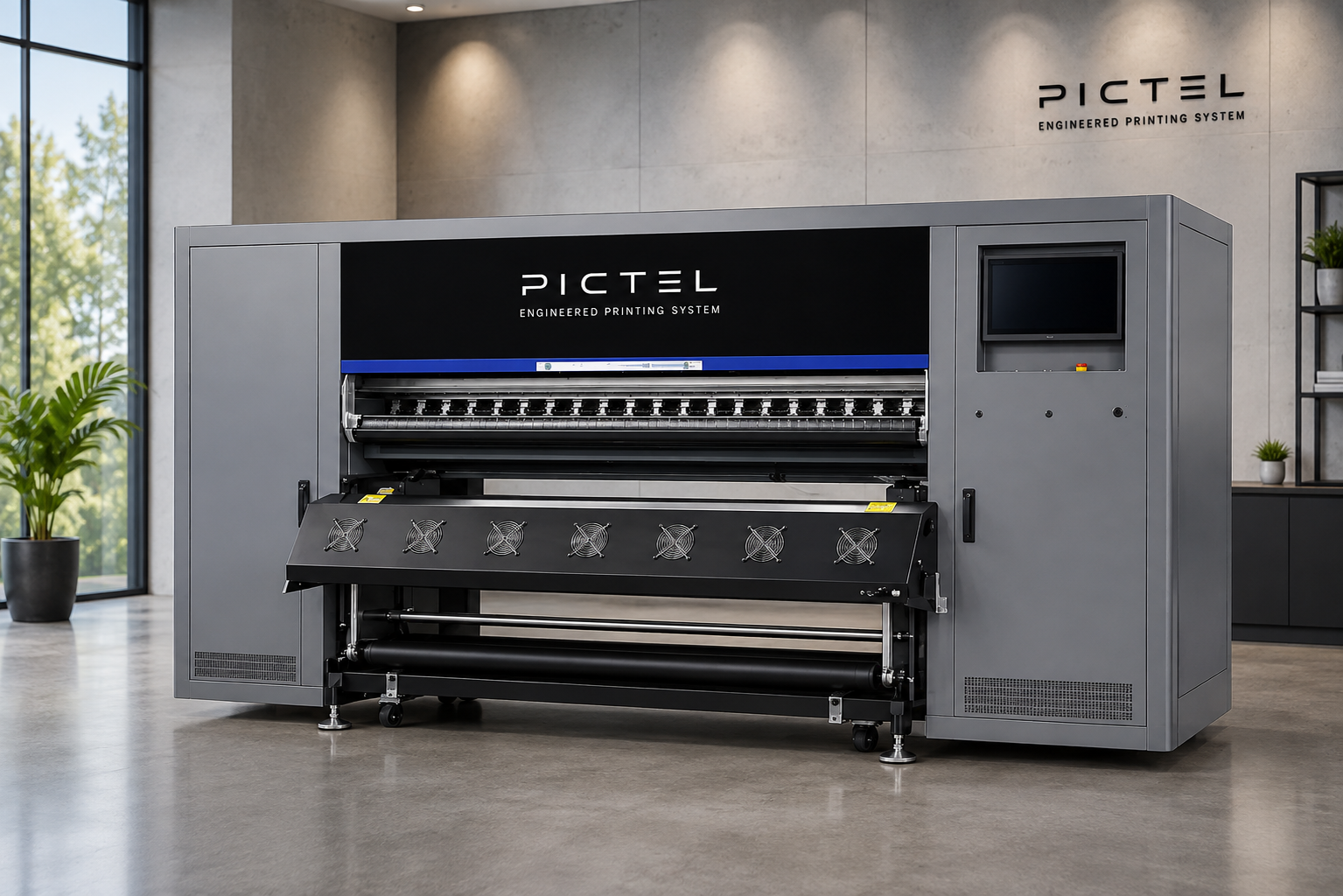
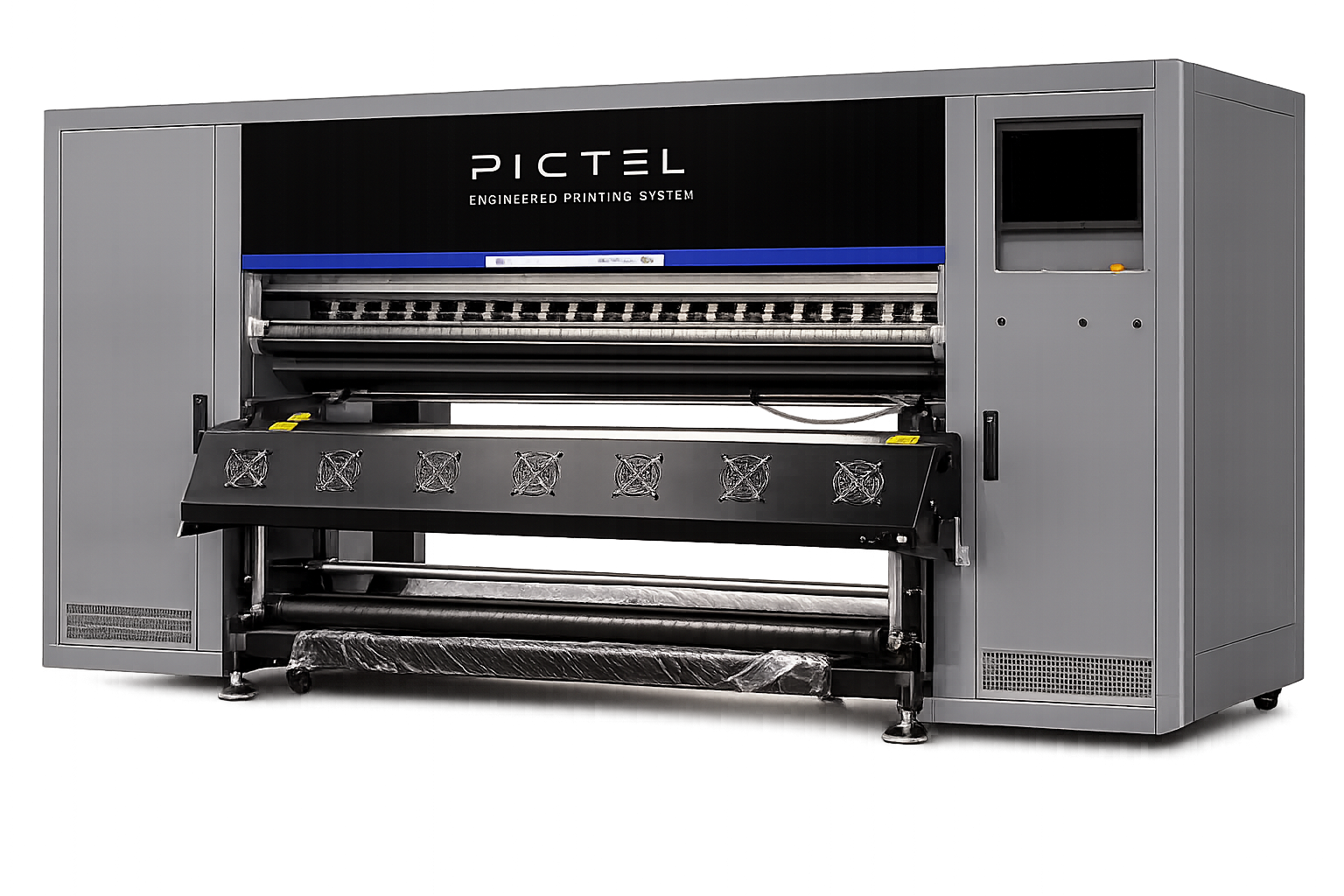
INDUSTRIAL 8-HEAD SUBLIMATION PRINTER
Professional large-format industrial sublimation printer with excellent performance and vivid colors, providing unlimited printing creativity for sportswear, garments, curtains, flags, tents, carpets, and other fabrics.
Main Features:
- High-speed printing, maximum speed up to 300sqm/h.
- 1.5L ink cartridges, 2.5L secondary ink cartridges, and 15L reserve ink bottles ensure long-term high-speed printing.
- Dual THK silent guide rails, three-stage pinch roller, and more stable printing.
- Industrial-grade super-power feed-up and take-up system, realizing fast and efficient take-up.
Technical Specifications:
- Printhead: 8*EPSON I3200-A1
- Printing Mode: 1pass: 300m²/hr; 2pass: 160m²/hr
- Max Printing Width: 1900mm
- Max Material Weight: 400KG
- Color: 4 Colors (C, M, Y, K) (optional: FY, FM, LC, LM)
Industrial 8-Head Sublimation Printer. Ultra-High Speed. Brilliant Colors. Built for Mass Production.

Reliable Quality
Professional R&D team control, strict factory testing and excellent machine quality.

Source Factory
Factory direct sales, competitive pricing and flexible customization.

Fast Shipping
Multiple overseas warehouses and fast worldwide delivery support.

Complete Service System
Professional pre-sales, installation, training and after-sales support.
PI-1908 Industrial Sublimation Printer Features
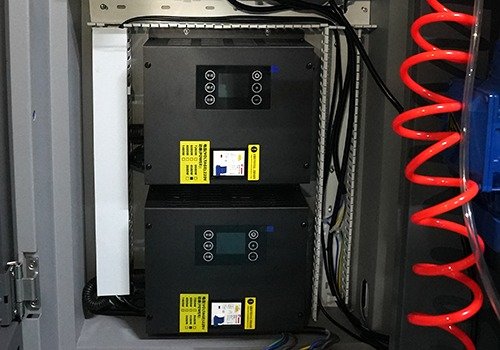
Front and rear circulation oven
The front and rear two-stage internal circulation oven with intelligent temperature control system for better drying and more powder saving.
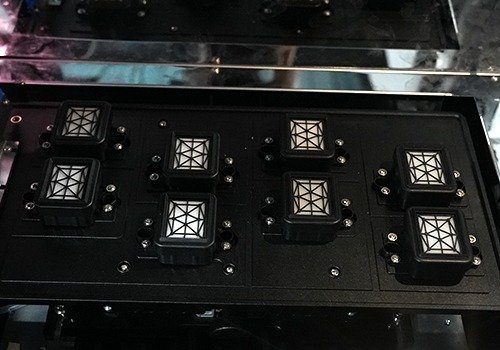
Good printing feathering effect
2*4 staggered arrangement, better feathering effect between nozzles, perfectly eliminating splicing marks.
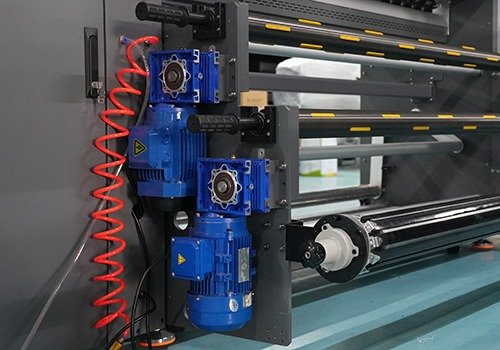
Magnetic levitated linear motor
Ensures more stable movement of the trolley frame and higher printing accuracy.
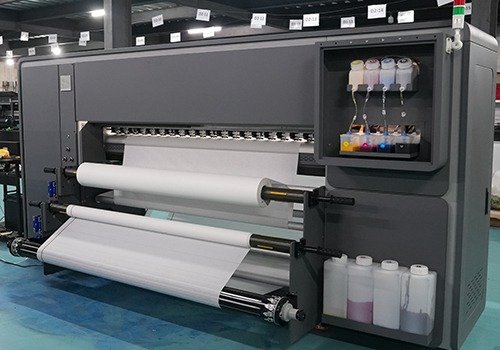
Intelligent variable speed control system
The printing speed can be freely controlled to ensure smoother paper collection and release.
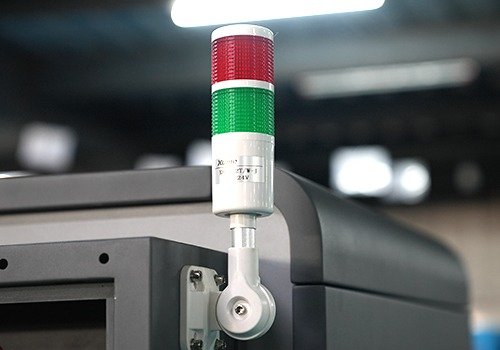
Three-color fault light
When the machine fails, runs out of ink or runs out of paper, it will automatically alarm, making it more user-friendly.
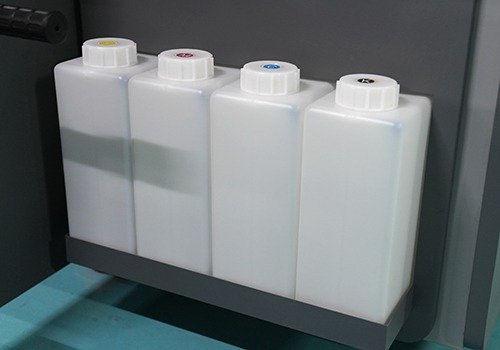
Large-capacity ink supply system
The 15L large-capacity ink bottle can supply ink for long-term large-volume printing needs.
Large Format Industrial Sublimation Printer Printing process
.jpg "INDUSTRIAL 8-HEAD SUBLIMATION PRINTER – printing process step")
Product Specification
| Product | Industrial Sublimation Printer |
| Model | PI-1908 |
| Printhead | 8 × EPSON I3200-A1 |
| Printing Mode | Productivity |
| 1 Pass | 300 m²/hr |
| 2 Pass | 160 m²/hr |
| Max Material Width | 2000 mm |
| Max Printing Width | 1900 mm |
| Material Gram Weight | Minimum 32 g/m² |
| Max Material Weight | 400 KG |
| Max Roll Diameter (Feed) | 500 mm |
| Drying Method | Infrared Radiation |
| Ink Type | Sublimation Ink |
| Color | 4 Colors (C, M, Y, K); Optional: 6 Colors or 8 Colors |
| Ink Volume | 5 L / Bottle |
| Printing Material | Sublimation Paper, Titanium Oxide Paper, Wallpaper |
| Rated Voltage | AC 220V ±10% |
| Rated Power | 10 KW |
| Working Environment | Temperature: 20–30°C; Humidity: 46–65% |
| Machine Size | 3360 × 1300 × 1750 mm |
| Packing Size | 3410 × 1240 × 1780 mm |
Partner with PICTEL. Grow Faster. Earn More.
Your Success is Our Business.
We don't just supply machines we help you build a profitable printing business with the right products, expert guidance, marketing support, and dependable after-sales service.
- Higher Profit Potential
- Fast Service & Spare Parts
- Complete Business Support
- Long-Term Growth Partnership
- Trusted Engineering Expertise

Large Format Industrial Sublimation Printer Applications
With its unique printing technology and excellent printing effect, industrial sublimation printer can be used in interior decoration, personalized home furnishing, textile and clothing manufacturing, advertising, and exhibition, such as sportswear, printed carpets, curtains, pillowcases, umbrellas, canvas, etc.
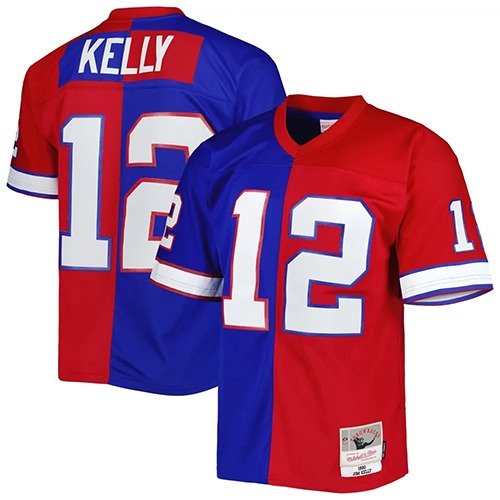
Sweatshirt
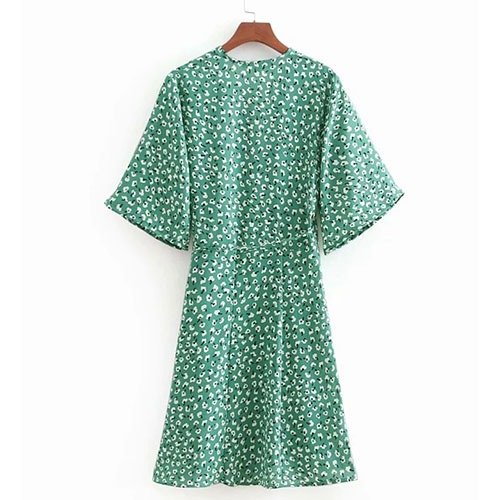
Dress
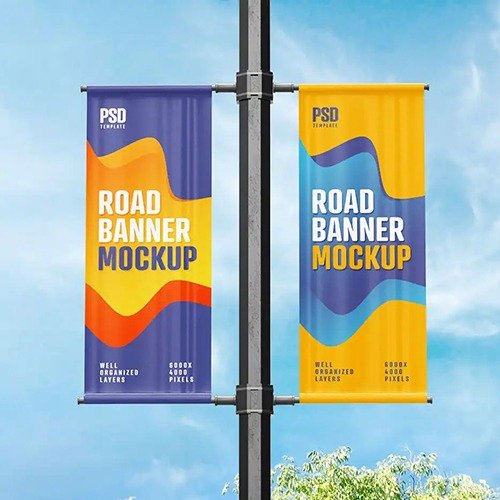
Flag
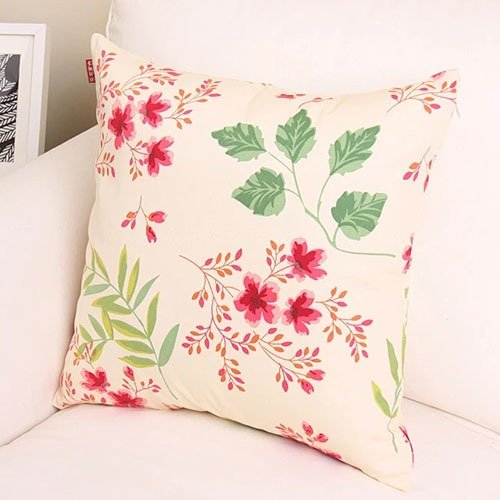
Pillow
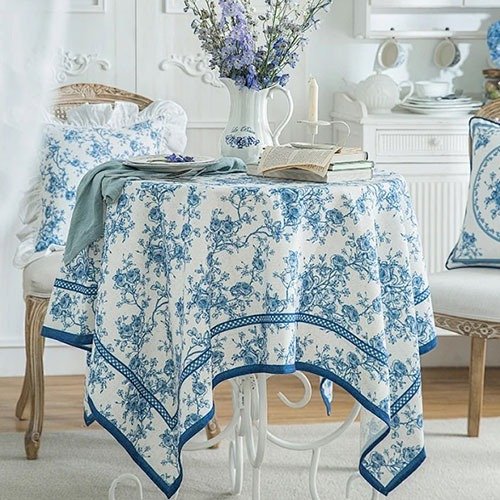
Tablecloth
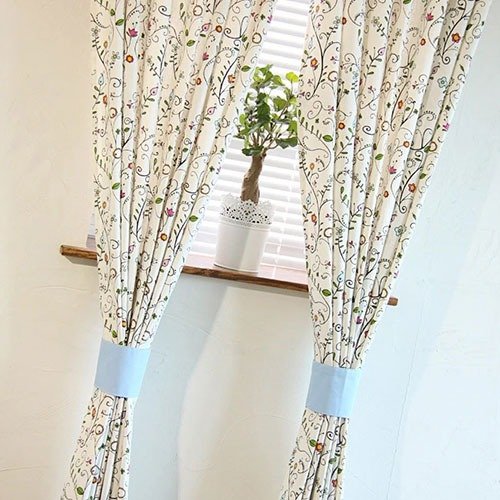
Curtain
FAQ
Sublimation printing is a digital printing technology, also known as thermal transfer printing. The working principle is to use heat energy and pressure to transfer dyes to different materials.
For sublimation printing, you will need a sublimation printer, sublimation ink, paper designed for sublimation, and roller heat press machine.
Sublimation printers produce prints that are more durable and less prone to fading than inkjet printers.
Sublimation printing transfers the dye into the substrate rather than depositing it on the surface, so the resulting image is more permanent.
Sublimation printing works by converting solid dyes directly into a gas when exposed to high temperatures, and then ejecting the gas onto the print medium.
So when the fabric is heated, the dye sublimates turns into a gas, and fuses directly into the fabric. When the dye is embedded in the actual fibers, it creates a permanent print that won’t crack or peel over time.
1. Material Application Range
The dye sublimation printing technology is mainly suitable for light-colored or white polyester fabrics. The more polyester content, the brighter the color printing effect.
DTF printing technology can print on almost all types of fabrics, including natural and synthetic fiber materials such as cotton, polyester, nylon, etc.
2. Print Quality
Sublimation printing technology directly penetrates the dye into the fabric fiber through high temperature and pressure, and the printed image has high durability and is not easy to fade or peel off.
DTF (direct-to-film) printing technology prints the image on a PET film and then transfers the image to the fabric by heat pressing. The print quality may be slightly inferior to sublimation technology, but the color of DTF-printed images will be more vivid.
3. Printing Efficiency
The sublimation printing process requires precise temperature and time control, so the printing speed may be slow.
The process of DTF printing is relatively simple, supports fast printing and batch printing, and is very suitable for large-scale production.
4. Touch
The pattern printed by the dye sublimation printer is integrated with the clothing, and it is almost imperceptible that an image is attached to the surface. It feels soft and breathable.
Although the DTF printer printed area feels relatively soft, its breathability may be slightly worse than thermal sublimation printing.
5. Applicable Market
Dye sublimation printers are particularly suitable for occasions that require high-quality image printing, such as sportswear, swimsuits, yoga clothes, and other clothing with good breathability requirements, as well as banners, flags, jerseys, and home textiles.
DTF printers are more suitable for the clothing printing market, especially on occasions that require fast, efficient, and high-quality printing.
Yes, a roller heat press machine is required for sublimation printing, and the image output is better and more durable after being processed by the roller heat press.
.png "PI 1803 UV ROLL TO ROLL SIGNAGE VINYL PRINTER")
.png "PI 1800D UV MULTIFUNCTIONAL UV HYBRID PRINTER")
.png "PI 1806DUV 6 HEAD HYBRID UV PRINTER")
.png "PI 3208DUV TEXTURE PAINTING UV PRINTER")
.png "PI 1.8 m SUBLIMATION PRINTER")
.png "FLAG PRINTER")
.png "WATER BASED LABEL PRINTER")
.png "ECO SOLVENT PRINTER")
.png "Digital Flocking Printing Machine")